

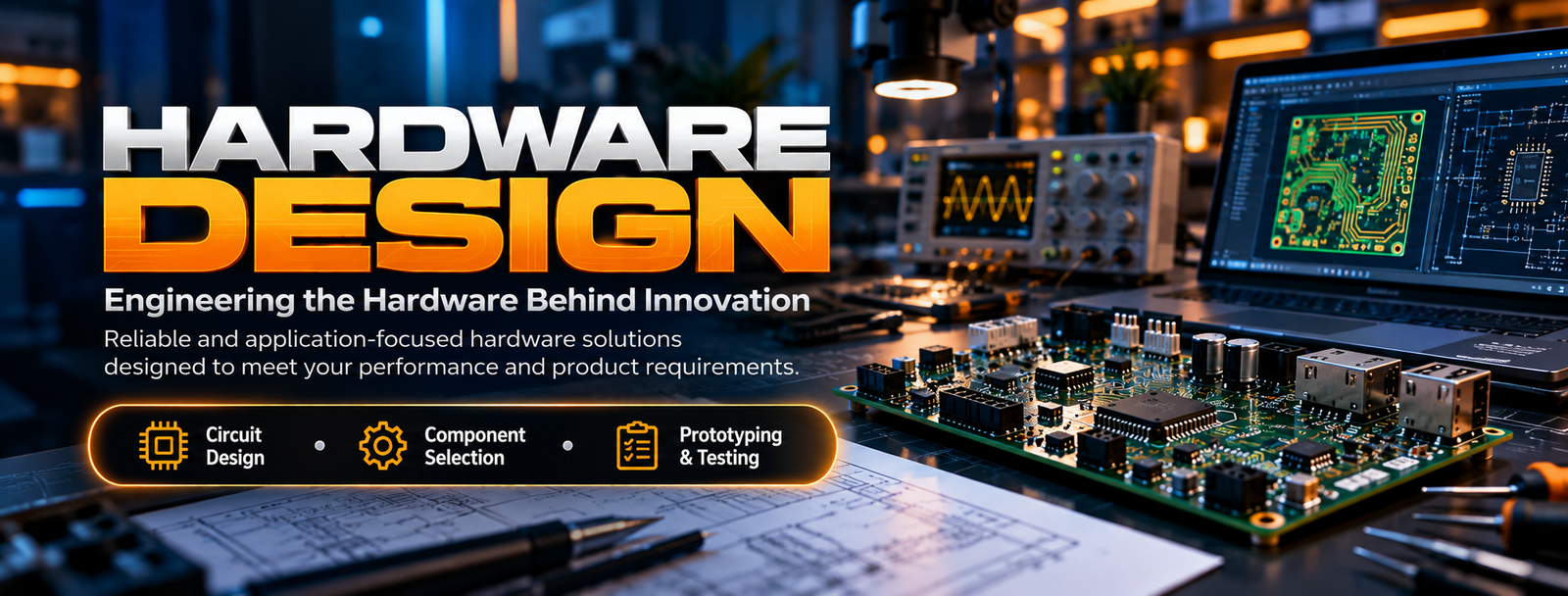
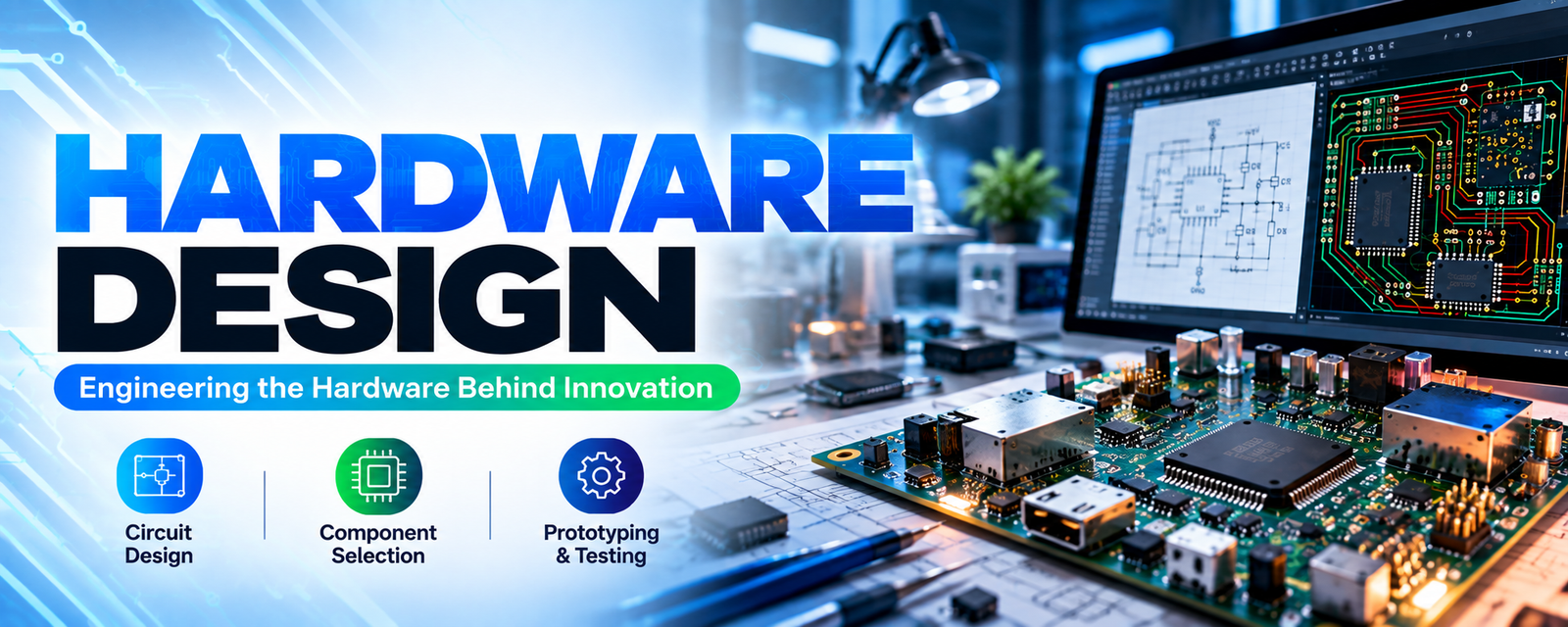

Circuit Design

Developing schematics that define how electronic components are connected to perform specific functions.

Component Selection

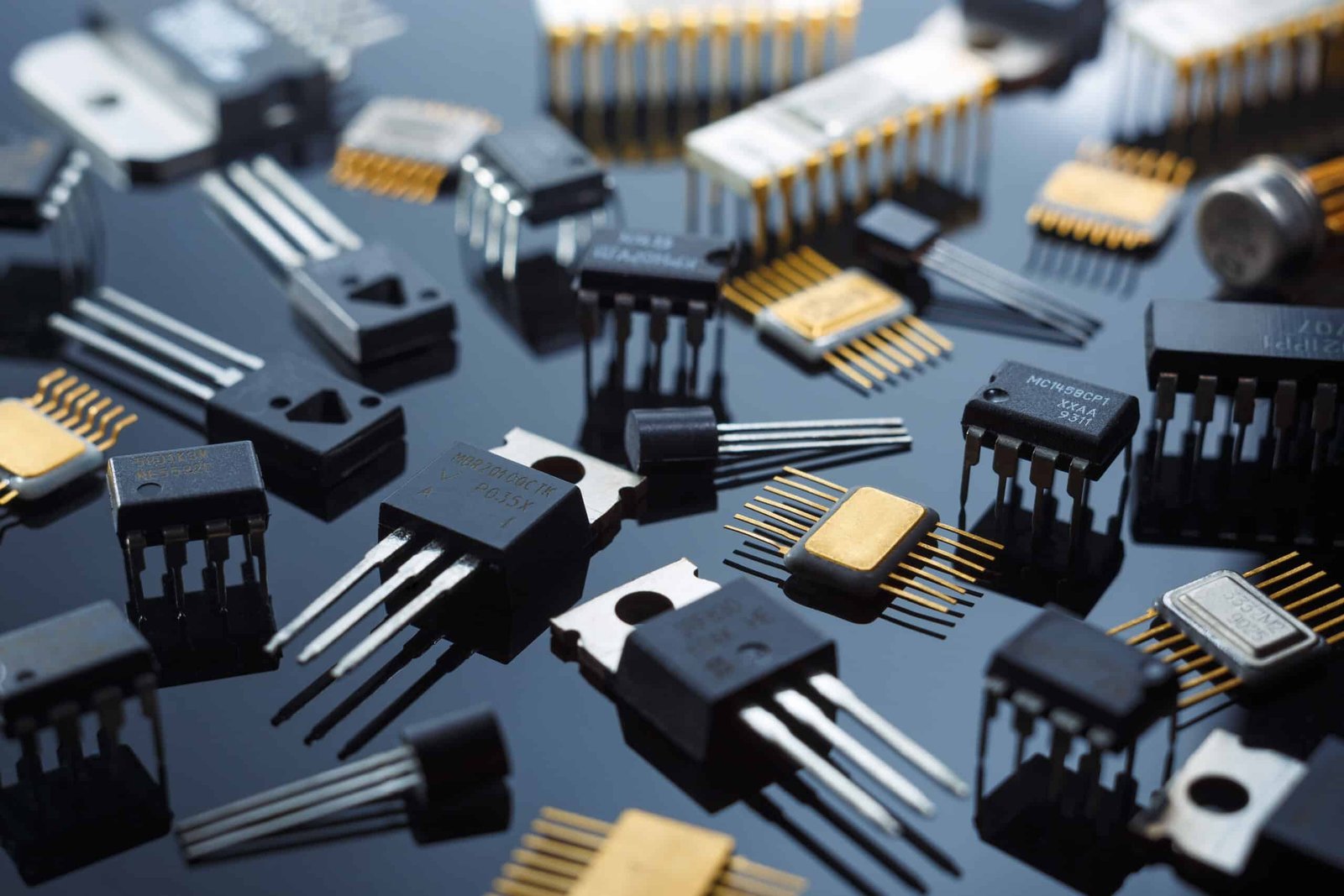
Choosing appropriate electronic parts (e.g., resistors, capacitors, microcontrollers) based on performance requirements and cost considerations.

Schematic Capture

Using specialized software to create detailed diagrams representing the electrical connections and functions of the system.

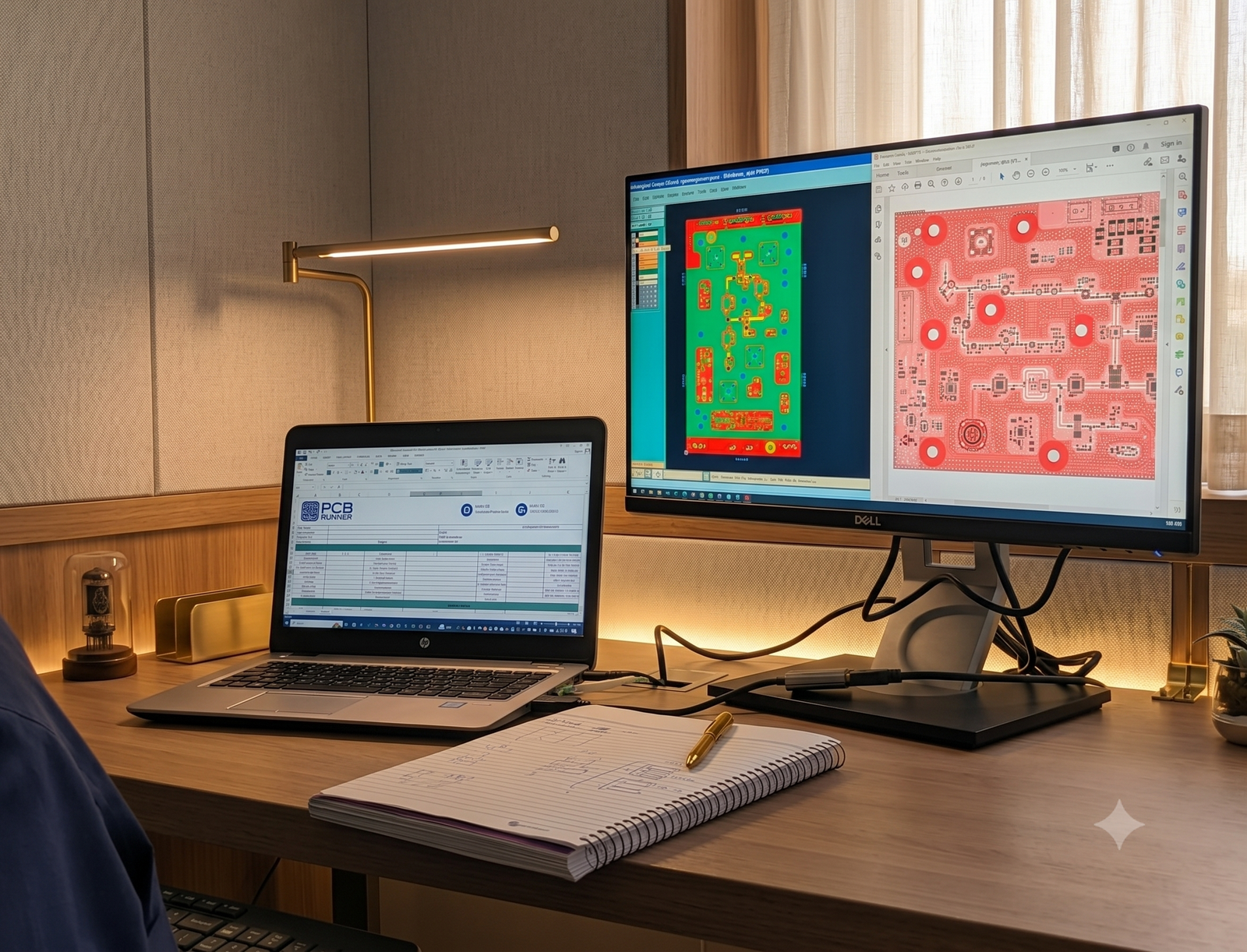
PCB Layout

Designing the physical layout of components on a Printed Circuit Board (PCB), ensuring optimal placement for performance and manufacturability.

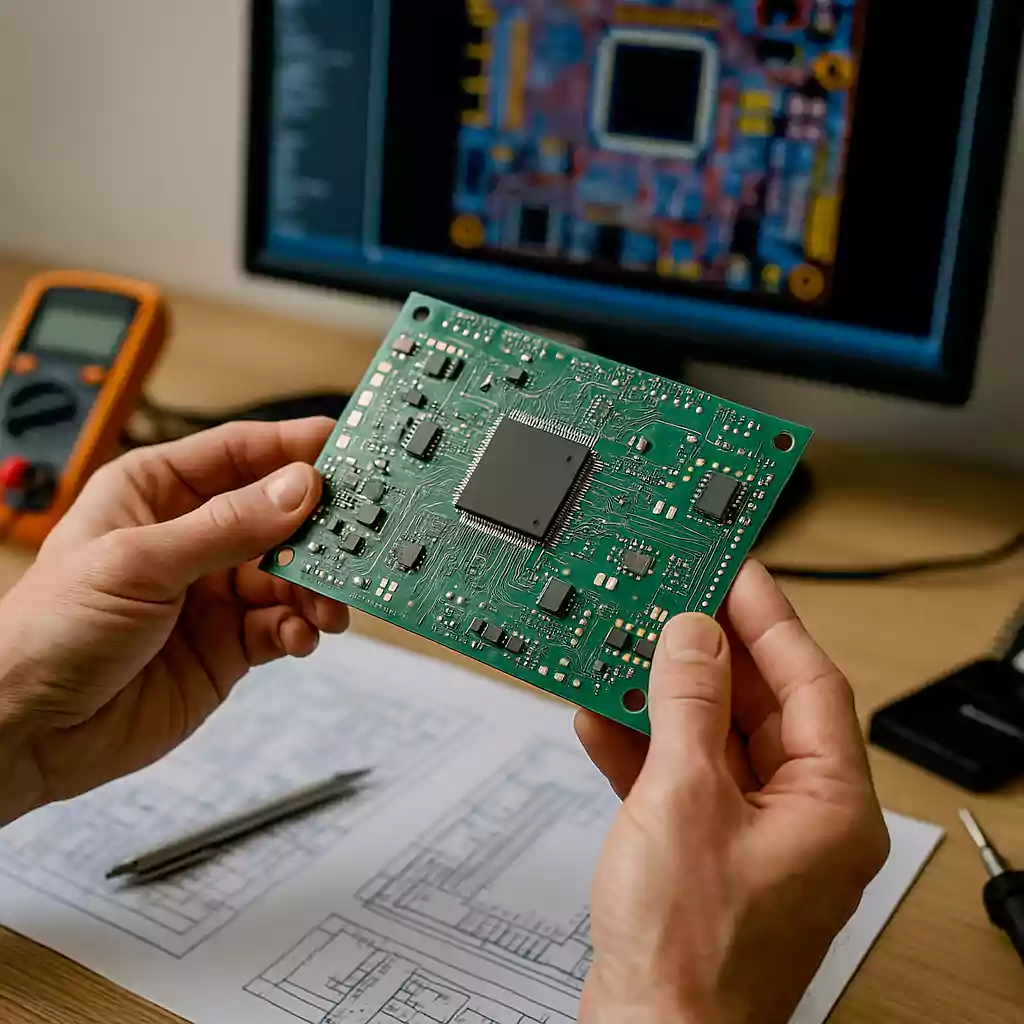
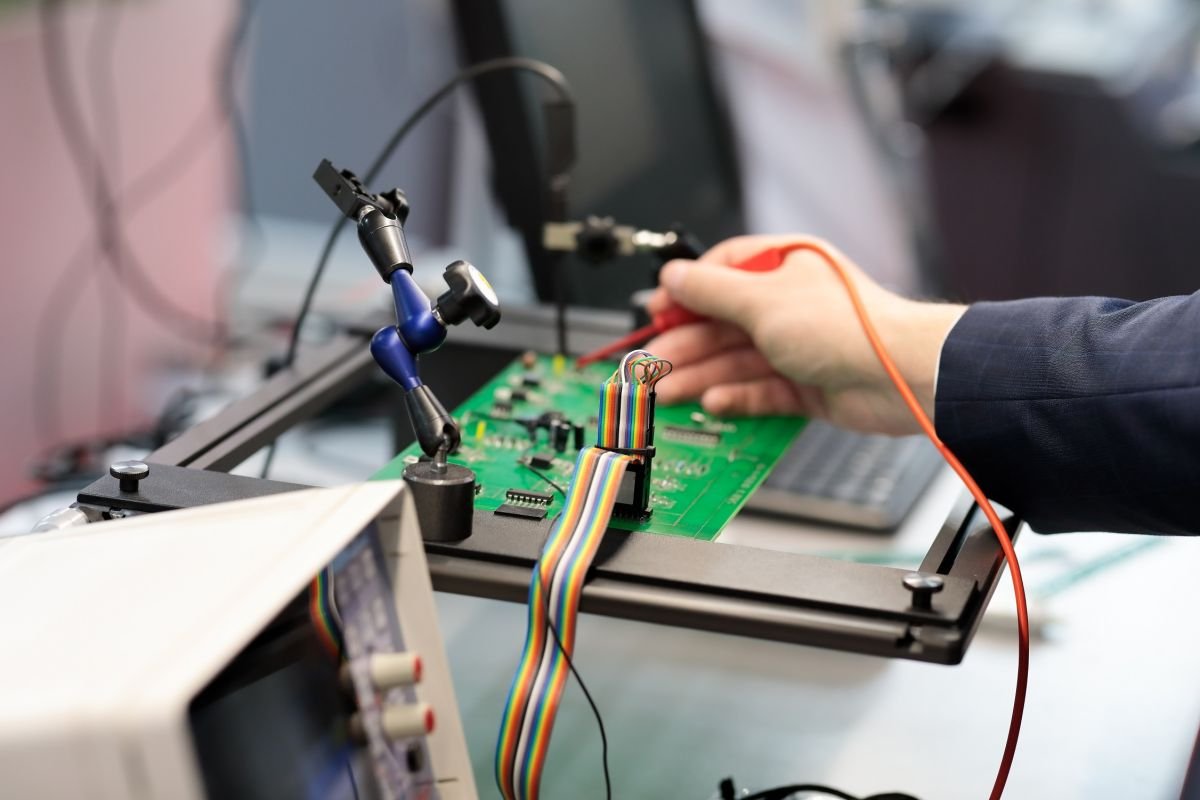
Prototyping and Testing

Building prototypes to validate the design, followed by rigorous testing to identify and rectify any issues.

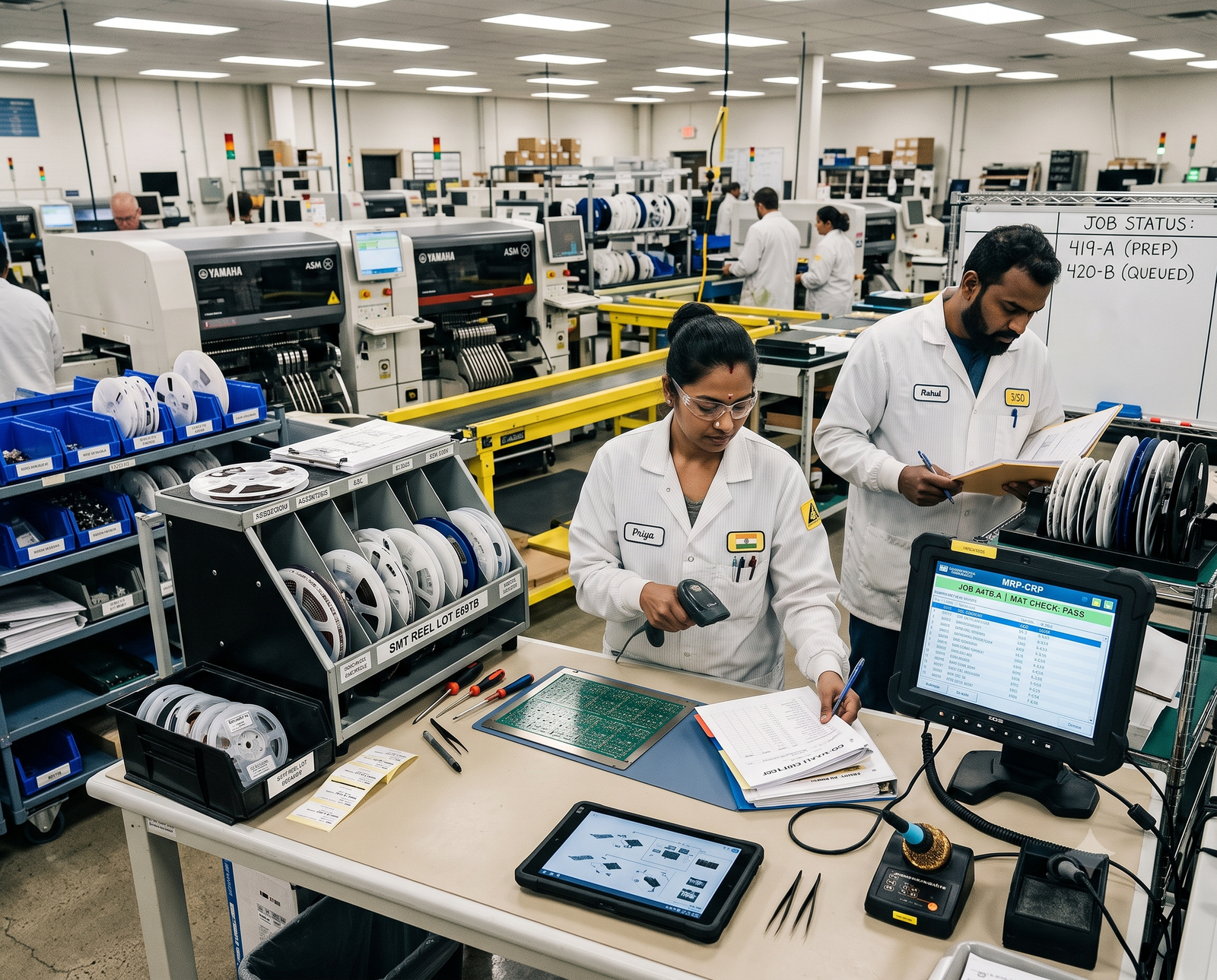
Manufacturing Preparation

Finalizing design files and documentation necessary for mass production, including assembly instructions and quality control measures.

Types of Hardware Design

Digital Hardware Design

Focuses on systems that process binary data, such as microprocessors, memory units, and digital signal processors.
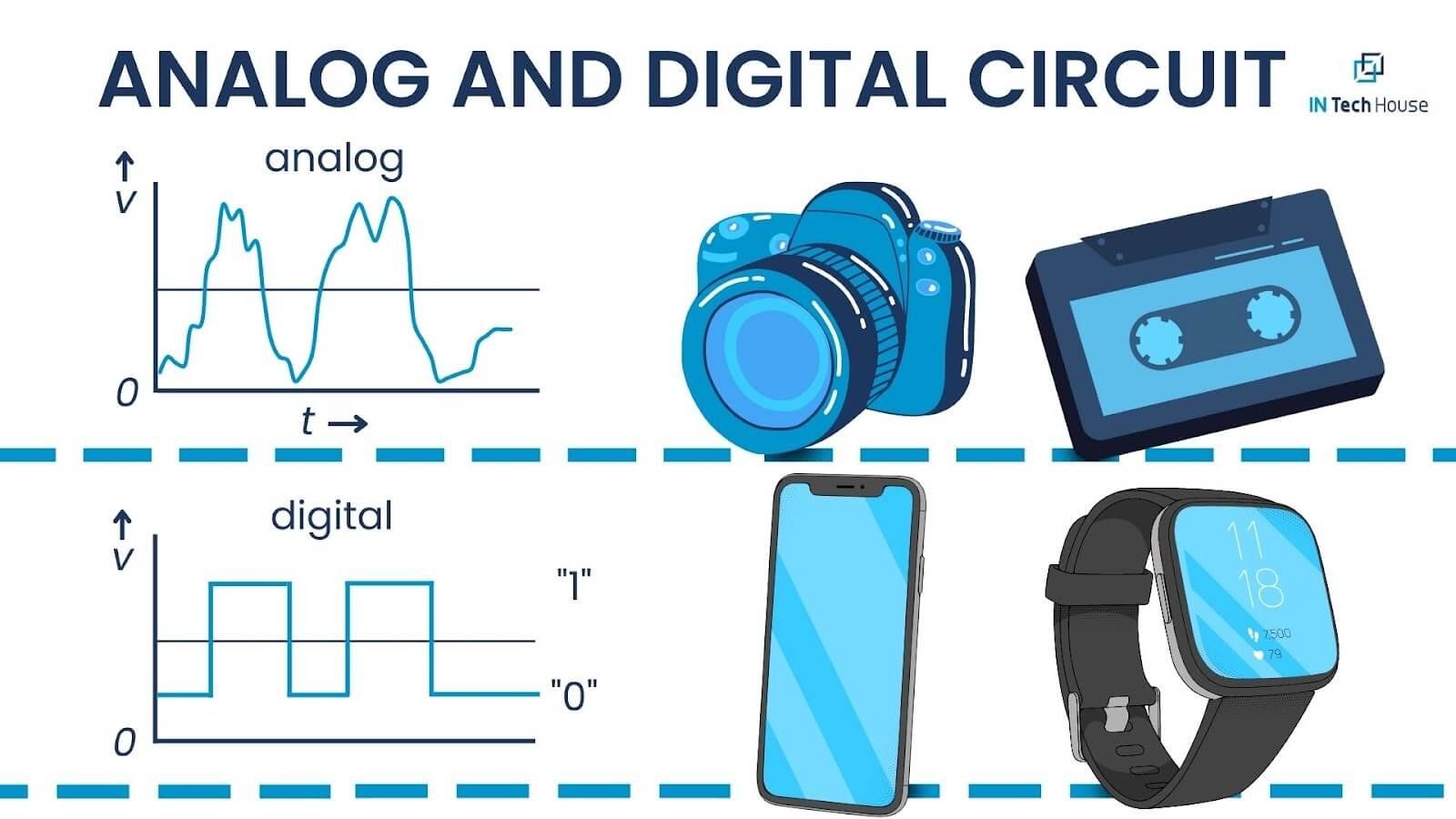
Analog Hardware Design

Involves circuits that handle continuous signals, including amplifiers, filters, and power management systems.
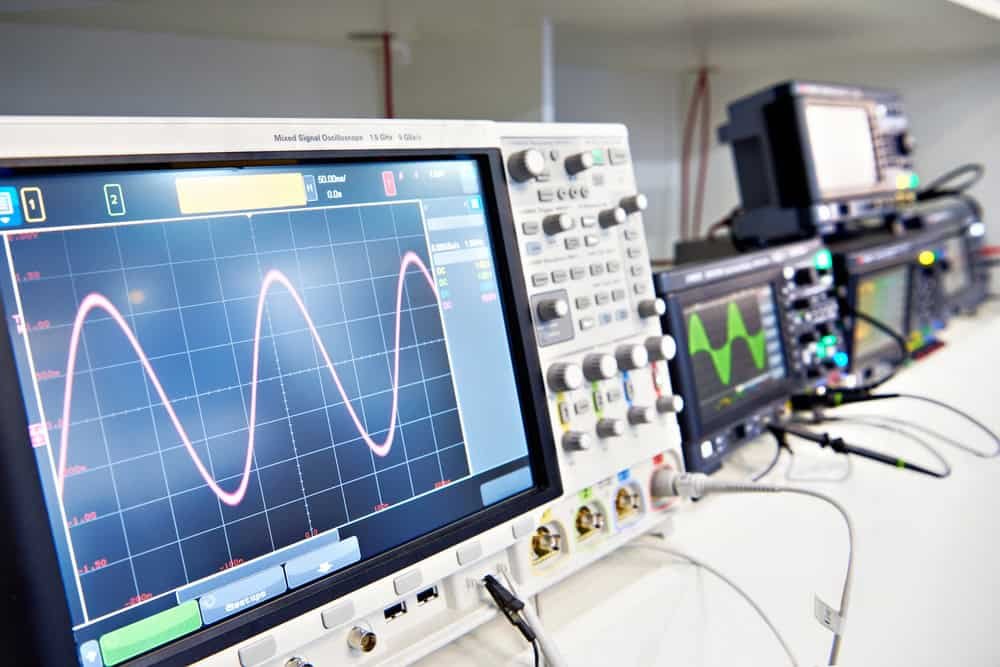
Mixed-Signal Design

Combines both digital and analog components, commonly found in applications like audio processing and communication systems